HGV Recovery: What Happens When a Truck Breaks Down

Jeni Davy • 30 October 2026

Share this article

When a heavy goods vehicle suffers a critical mechanical failure, ensuring driver safety and minimising operational downtime becomes the immediate priority. Understanding the complexities of commercial HGV recovery allows fleet managers to make informed decisions during high-pressure roadside incidents.

  • Discover the exact protocols activated during a severe motorway breakdown.
  • Learn how specialised heavy lifting apparatus secures huge commercial payloads.
  • Understand the preventative maintenance strategies required to avoid unexpected logistical delays.


What happens when a truck breaks down on the motorway?

Commercial motorway breakdowns trigger an immediate multi-agency response to secure the perimeter and mitigate severe congestion. Traffic Commissioners for Great Britain verify that road transport moves 81% of domestic freight, demanding rapid lane clearance. A delayed roadside intervention creates catastrophic logistical bottlenecks.

Resolving this disruption requires synchronised coordination between police units, highways officers, and certified heavy rescue operators. Highly trained incident commanders assess the exact location and weight of the stranded asset before dispatching appropriate lifting machinery. Failing to correctly calculate the load distribution risks tipping the recovery vehicle.


Once the correct apparatus arrives on the scene, operators deploy high-visibility warning cordons to protect the casualty vehicle from oncoming traffic. The extraction team then works systematically to disconnect drive shafts and secure airlines before attempting any towing manoeuvres.


How long does commercial HGV recovery take?

Professional vehicle extraction demands an immediate dispatch protocol, typically initiating within minutes of the initial distress call. The Office of Rail and Road confirms vehicles drive 96.9 billion miles on the strategic road network annually, requiring swift clearance. Total extraction time depends entirely on the mechanical failure complexity.


Operating from our dedicated multi-site immediate-response control centre, Manchetts guarantees continuous commercial uptime for all heavy logistics clients. This highly controlled environment allows us to dispatch nationwide support with zero stated blackout periods, operating continuously 365 days a year. We engineer our deployment strategies specifically to prevent costly supply chain delays.


Minor air leaks or straightforward punctures can often be resolved roadside within a few hours by mobile technicians. Conversely, recovering an overturned articulated lorry from a steep embankment may require an entire day of complex winching operations and lane closures.


What information does the 24-hour control centre need?

Precision recovery operations require exact geographical coordinates, vehicle gross weight limits, and specific cargo details. Immediate-response controllers meticulously record trailer configurations, transmission types, and the precise nature of the mechanical fault. This exact data guarantees that technicians deploy the correct specialist lifting apparatus on the first attempt.


Operators must know if the trailer contains hazardous materials, refrigerated goods, or livestock to formulate a safe extraction plan. Supplying the exact fault code or physical symptom allows diagnostic technicians to anticipate necessary roadside repairs before arrival. Clear communication directly prevents deploying inadequate tow units to severe collision sites.

How do specialist recovery vehicles safely lift heavy goods?

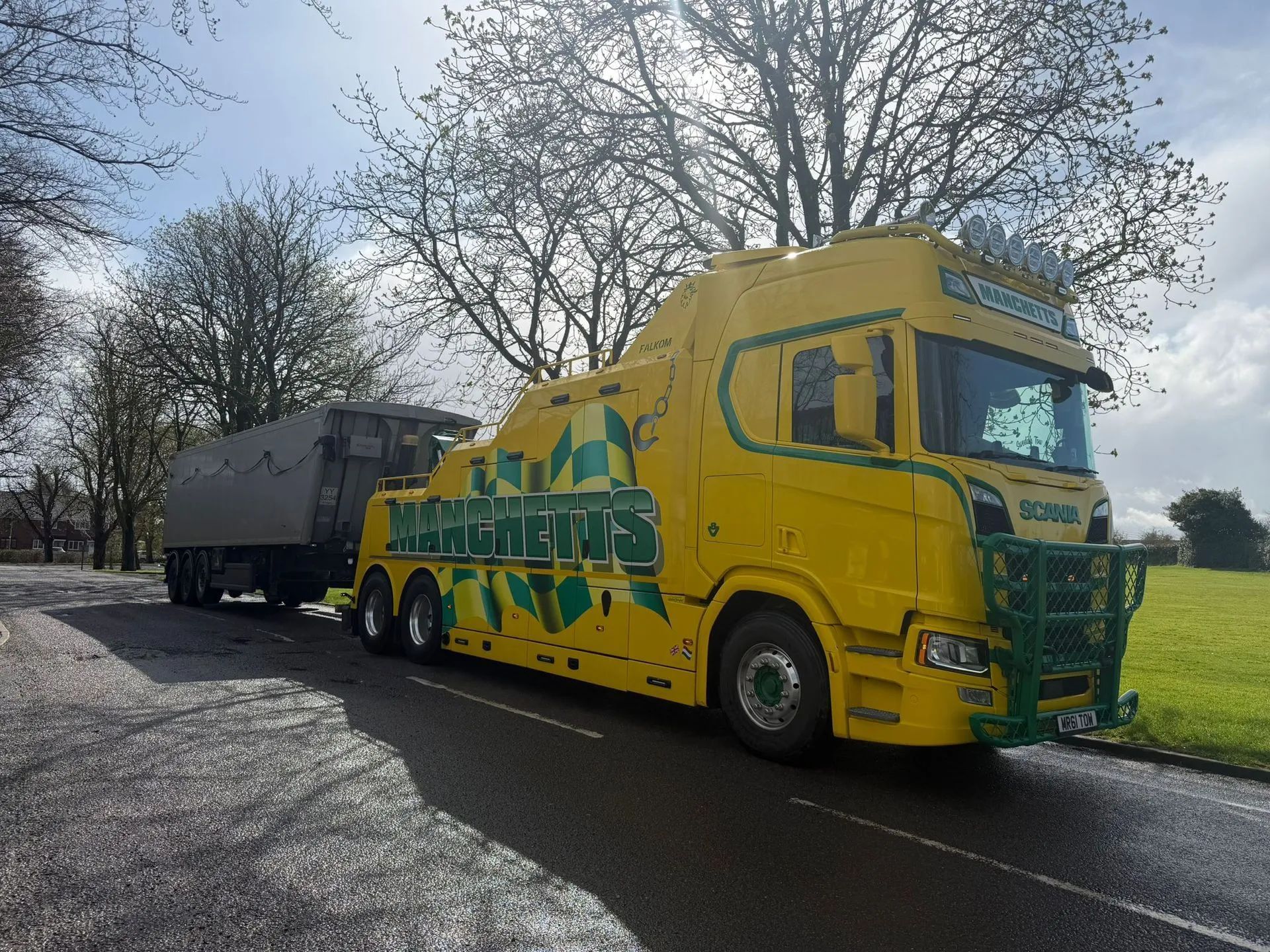
Heavy rescue units utilise sophisticated hydraulic booms and reinforced underlifts to suspend immense commercial payloads securely. Modern tow fleets deploy high-tensile steel winches capable of pulling stranded assets up steep embankments safely. Relying on outdated lifting techniques frequently causes catastrophic secondary damage to commercial axles.


Bypassing these structural risks means attaching hydraulic forks directly to the strongest points of the chassis. Operators carefully calculate the centre of gravity before elevating the front or rear of the casualty vehicle. This meticulous preparation is crucial for both standard freight operations and complex bus recovery scenarios.


Once the payload is suspended, technicians connect auxiliary air supplies to release the casualty vehicle's spring brakes. This sophisticated integration allows the broken-down truck to articulate naturally behind the tow unit during transportation.


When is a heavy underlift or top boom required?

Top booms execute complex lifting manoeuvres when severe accidents force heavy goods vehicles over steep embankments or into deep ditches. Conversely, standard hydraulic underlifts provide the safest towing method for routine mechanical failures on flat motorway surfaces. The incident severity strictly dictates the specific mechanical approach.


Incident commanders deploy heavy top booms to right overturned trailers without compromising the structural integrity of the chassis. Underlifts remain the industry standard for transporting broken-down buses and coaches long distances securely. Selecting the incorrect apparatus severely compromises the safety of the entire transport operation.


How do off-road Unimogs handle agricultural and plant recovery?

Mercedes-Benz Unimogs conquer extreme terrain using permanent four-wheel drive, locking differentials, and exceptionally high ground clearance. These bespoke machines easily navigate muddy fields, deep floodwater, and treacherous construction sites where conventional tow trucks fail. Their superior weight distribution prevents deep rutting while executing powerful winching operations.


Master technicians rely on these agile units to extract heavy tractors, combine harvesters, and bogged-down plant machinery safely. The stable platform of a Unimog prevents dangerous shock loading during intense winching pulls. This specific capability ensures minimal disruption to critical agricultural schedules during challenging seasonal weather.


What are the most common causes of commercial HGV breakdowns?

Commercial vehicle failures stem primarily from severe tyre degradation, complex electrical faults, and catastrophic transmission lockouts. Intensive operational schedules place immense strain on modern pneumatic systems and heavy-duty brake friction components. Ignoring preventative maintenance protocols ultimately triggers unpredictable roadside emergencies during peak transit hours.


Mitigating these sudden stoppages demands proactive fleet management and rigorous daily vehicle inspections. Drivers must identify minor air leaks, strange engine noises, or dashboard warning lights before embarking on long-haul journeys. Partnering with an established national network like Manchetts provides comprehensive diagnostic support to catch defects early.


Consistent visual checks and strict adherence to service intervals remain the most effective methods for keeping transport fleets operational.


How do tyre defects impact commercial fleet downtime?

Catastrophic blowouts immediately ground heavy goods vehicles, halting critical supply chains instantly. The Driver and Vehicle Standards Agency reports that poor tyre condition consistently remains the most common prohibition defect found during roadside checks. Operating with compromised treads significantly increases the risk of severe motorway collisions.


Replacing a blown commercial tyre on a busy carriageway requires specialist mobile fitters and strict safety cordons. This tedious process frequently leaves the vehicle stranded for hours, jeopardising time-sensitive cargo deliveries. Implementing routine pressure checks drastically reduces the likelihood of these expensive and dangerous blowouts.


Why is complex electronic diagnosis crucial for Euro 6 engines?

Euro 6 emission systems require highly advanced diagnostic software to interpret dense sensor data accurately. Modern commercial trucks rely on intricate computer networks to manage complex selective catalytic reduction processes and diesel particulate filters. Relying on basic mechanical knowledge simply cannot resolve modern emission system failures.


Expert Insight: "Complex electronic architectures in Euro 6 engines mean a single sensor fault can derate a truck instantly. Accurate, real-time diagnostic mapping is now the absolute foundation of modern fleet uptime." - Mandy Manchett, Marketing Director at Manchetts


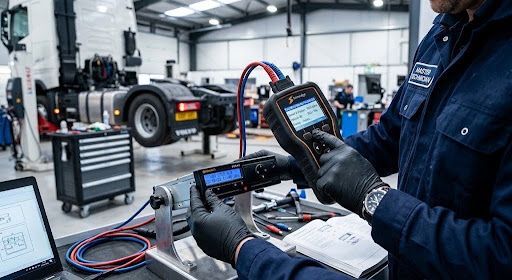
Master technicians utilise approved diagnostic interfaces to pinpoint obscure faults before they cause complete engine shutdowns. This high-level technical capability allows workshops to clear error codes and reset intricate parameters efficiently.

How can commercial fleet managers prevent future truck breakdowns?

Preventative fleet maintenance requires rigorous scheduled servicing, advanced predictive diagnostics, and mandatory periodic maintenance inspections. Commercial operators must actively monitor tachograph data, structural chassis integrity, and complex braking systems simultaneously. Attempting to manage huge commercial fleets using basic paper records invites catastrophic mechanical oversight.


Upgrading to robust digital management software guarantees that no single inspection or crucial calibration is ever missed. Proactive managers schedule necessary part replacements well before components reach their absolute breaking point. This strategic foresight transforms unpredictable downtime into highly controlled, planned maintenance intervals.

Consolidating maintenance schedules with a single trusted provider streamlines administration and ensures comprehensive vehicle oversight.


Why are regular DVSA roller brake testing and PMIs essential?

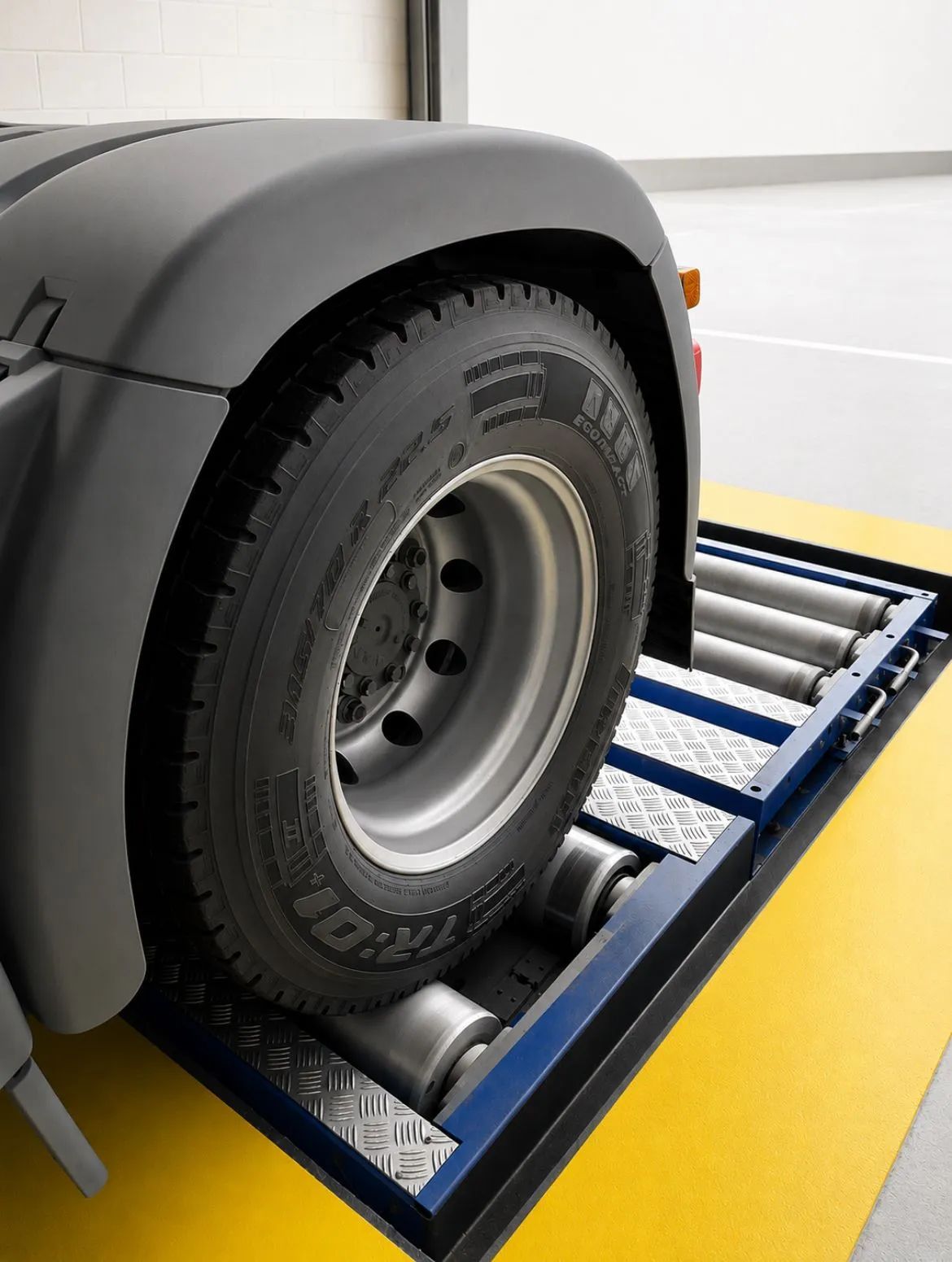
Periodic Maintenance Inspections guarantee that heavy commercial vehicles consistently meet strict legal roadworthiness standards. Routine roller brake testing scientifically measures braking force, instantly exposing dangerous imbalances across heavy commercial axles. Failing to conduct these mandatory checks exposes operators to severe legal penalties and compromised safety.


Approved testing facilities utilise state-of-the-art rising brake roller machines to simulate fully loaded road conditions accurately. These precise tests provide undeniable proof that a fleet's braking infrastructure functions flawlessly under extreme stress. Consistent PMIs drastically extend the operational lifespan of heavy goods vehicles.


How do MAN-approved commercial workshops minimise off-road time?

MAN-approved servicing centres employ certified master technicians equipped with bespoke diagnostic machinery and genuine manufacturer parts. These highly regulated environments streamline complex mechanical repairs, ensuring trucks return to the road rapidly. Attempting complex Euro 6 repairs without certified manufacturer backing guarantees prolonged diagnostic delays.


Certified workshops carry extensive inventories of critical components, eliminating the frustrating wait times associated with third-party suppliers. Access to exclusive manufacturer training means technicians diagnose obscure faults with absolute precision. Looking after a fleet? Discover our commercial workshops. to guarantee absolute reliability.


Looking for a reliable partner to keep your vehicles on the road? Contact Manchetts today to discuss our servicing, fleet management, or vehicle sales. With over 65 years of experience across Cambridgeshire, Suffolk, Norfolk, and Lincolnshire, we are here to help. Reach out via our website or speak to our expert team directly.

Recent Posts

Master technician performing tachograph calibration inside a DVSA-approved workshop
by Amanda Manchett • 25 September 2026
Ensure DVSA compliance with expert tachograph calibration from Manchetts. Avoid penalties and minimise fleet downtime today. Call us on 01638 744528.
Car on a cobblestone street with its hood open beside a person under a red umbrella in a historic town.
by Amanda Manchett • 27 August 2026
Need reliable vehicle recovery in Cambridge? Manchetts offers 24/7 car and EV roadside assistance. Call 01638 744528 for immediate help today.
Man crouches beside white van, examining the front wheel in a parking lot with buildings in the background
by Amanda Manchett • 24 July 2026
Need reliable van hire in Suffolk? Discover essential checks for a smooth trip. For trusted vehicles, call Manchetts on 01638 674490 today.
Two workers in yellow vests fix a white van’s tire in a snowy industrial lot
by Amanda Manchett • 29 June 2026
Prepare your fleet for winter with a reliable vehicle recovery service. Minimise downtime and ensure compliance. Call Manchetts on 01638 744528 for support.
Group of runners posing in front of a white event tent on grass, wearing race shirts and medals.
by Lindsay Powell • 28 April 2026
Learn how Manchetts supports local charities like LEBBS and engages in community events. Join us in making a difference!
Wooden beehive box with a “60 years” Manchetts sign in a wooded outdoor area
by Lindsay Powell • 28 April 2026
Learn about Manchetts' sustainability efforts in vehicle recovery. Join our recycling schemes and support eco-friendly practices today!
Bronze FORS Fleet Operator Recognition Scheme badge with ID 102364
by Lindsay Powell • 28 April 2026
Learn how Manchetts achieved FORS certification, enhancing safety & efficiency in vehicle recovery. Contact us for more information!
Truck loading bay with a white MAN truck outside under cloudy sky, viewed from a warehouse dock.
by Lindsay Powell • 28 April 2026
The new ATF lane at Manchetts Sleaford enhances MOT services. Visit us for efficient vehicle recovery & testing today!
Row of gray semi-trucks parked in a foggy lot
by Lindsay Powell • 28 April 2026
Explore electric vehicle advancements in recovery & workshops. Contact us for details on our new HGV EVs & training initiatives.
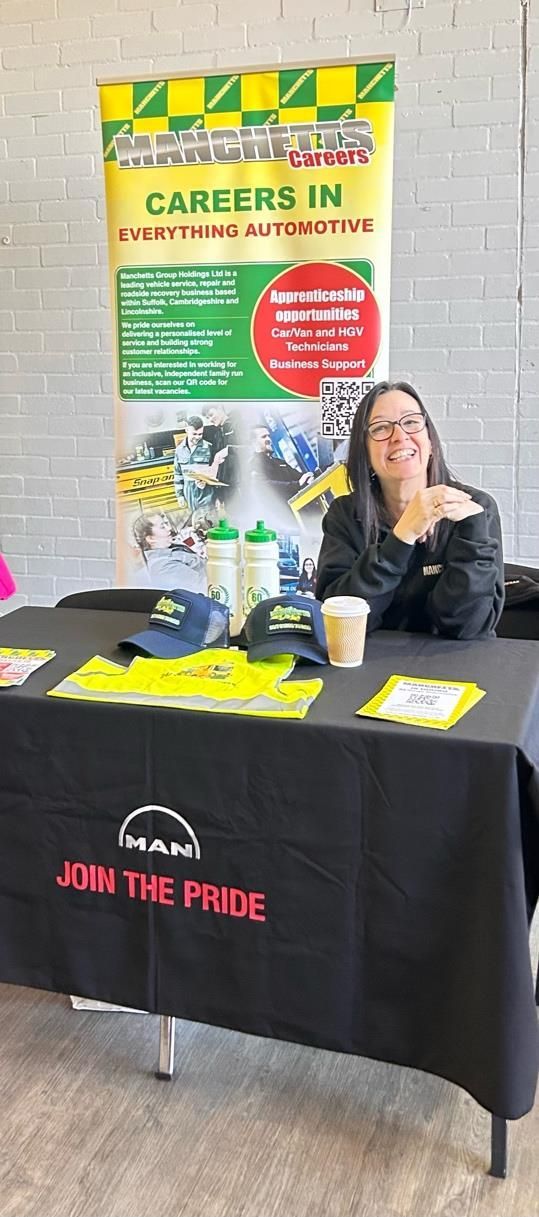
Manchetts Recruitment booth with “Careers in Patient Care” banner, table, and smiling seated staff member
by Lindsay Powell • 28 April 2026
Connect with future talent at careers fairs. Explore apprenticeship opportunities in vehicle recovery & workshops today!
Show More